
The image Conference, Organized by the BRAZTESOL Brasilia team was a perfect combination of keynote presenters, great atmosphere and interesting, colorful, dynamic sessions. Workshops were delivered in 45 minutes. I was not sure at first I would like my session to be so short, but I enjoyed the format as a participant because I got to see much more, and as a presenter because Denise De Felice and I had to do our best to be concise and efficient in our delivery.
Here is a peek of some of what happened in the conference.
From Images to Deep Learning
A Whole Brain Perspective
A new bridge between neuroscience and language teaching is being built, and teachers today can learn more and more about the learning brain. Images, videos, and games have always been explored in the language classroom in different, creative ways, but teachers are now becoming aware of how tasks affect the brain biologically, how emotions trigger or hinder the learning cycle, and how knowing all that can help teachers design more engaging tasks. Many of the ideas here were inspired by the book The Art of Changing the Brain.

Play with the images to to create a story.

Listen to the story and check how different they are.
We asked participants to reflect on what Hamilton`s problem was by showing a series of "why" questions. It was very interesting to see the "why" technique in action. The audience starts to feel the power of brainstorming as one more "why" on the slide projects the impression that the group needs to keep collaborating, thinking to reach a high order conclusion.


Here is what the audience said
He was asked to do what he couldn`t do.
He was not motivated enough
He was too passive
The kind of exposure he got was always the same
He never got a chance to actually be a more engaged student
because of the way he had been exposed to input, he became too passive
He never got the chance to actually be a more engaged student
because of the way he had been exposed to input, he became too passive.
Ham`s problem according to The Art of Changing the Brain.
"Ham`s mind was in the past, it depended on sources outside himself, and thus he had no power. He had no control over his own learning.
I am not saying that he didn’t need information or that he should abandon his television programs. Experience and information are necessary parts of learning. They are the raw materials for it. But by themselves they are not enough; they are about half of what it actually needed.
The structure of the brain tells us this. There is a part for receiving, remembering, and integrating information that comes from outside. And there is a second part for acting, modifying, creating, and controlling. If we are to learn in the way that transforms, we must use both of these parts of the brain.
"Ham needs better communication between the back and the front of their cortex, between temporal cortex and prefrontal cortex. But since the prefrontal and temporal cortex are so distant from each other, you might wonder if the connections between them are strong. Maybe it isn’t so easy to keep balance. Maybe the front and back parts of our brains don’t talk to each other much.But, again, the actual physical structure of the brain gives us new insight. In fact, some of the most obvious wiring in the brain is designed exactly for this front/back connection.
You could confirm this yourself with the simplest of dissections of one of the cerebral hemispheres. If you were to gently slice open the top of one hemisphere from front to back and a few centimeters from the midline, you would see large tracks of fibers running along from back to front. And if you dissected carefully, you would find four major bundles of nerves that carry signals between front and back.We can also see this bridge in the learning cycle, as shown in the illustration below. It carries us over the line that separates the experience and reflection part of the cycle from the abstraction and active testing part. Data enters learners through concrete experience where it is organized and rearranged through reflection. But it is still just data until learners begin to work with it. When learners convert this data into ideas, plans, and actions, they experience the transformation I have described. Things are now under their control, and they are free of the tyranny of information. They have created and are free to continually test their own knowledge."

A concrete example

A Practical Example
Concrete
experience
Abstract hypothesis
Abstract hypothesis
Reflective
observation
Transformation line
Transformation line
Reflecting back
Compare the two tasks below and reflect on what happens in the learners` brain. Which task engages students` brain more deeply?
Task 1 - look at the images and create a story. Compare it to the actual story.
Task 2 - Listen to the story and put the illustrations in order.

Our point - there is nothing wrong with the tasks, They are just different. It all depends on the teacher`s objectives. Task one helps to engage more areas of the brain as compared to task 2, which may help to promote deeper learning.

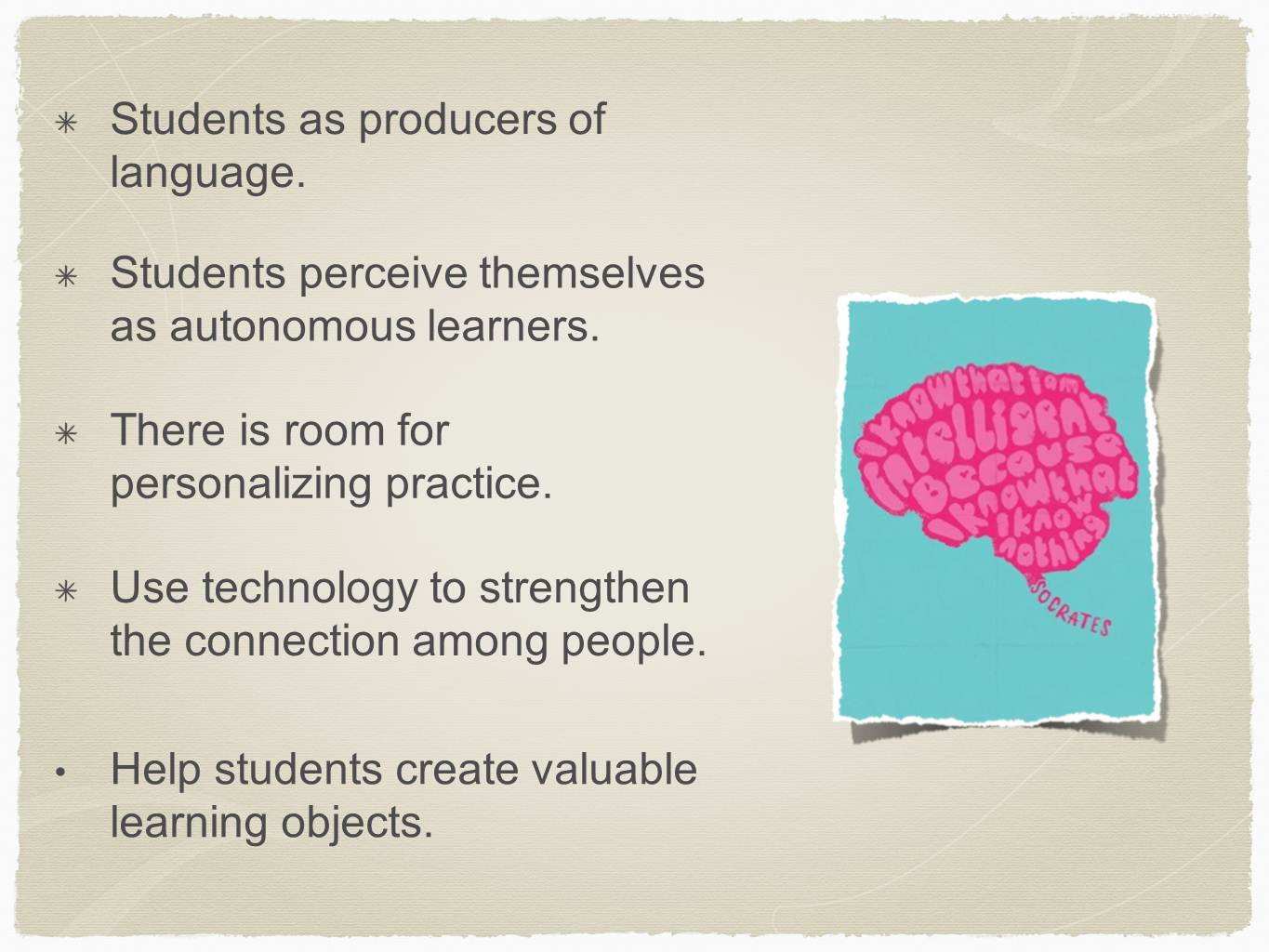
Here are some posters we can ask students to make. Having students manipulate language and images to create posters engages the learning brain more deeply than just showing students a poster that someone else created.
.jpg)

What can you do with a chair?
What other purposes, other than teaching, can you use a chair for?

After delivering this workshop, our aim is to keep thinking about the learning cycle and tasks can engage the learning brain more deeply.
Thanks Denise De Felice for being my partner and inspiring change in me.
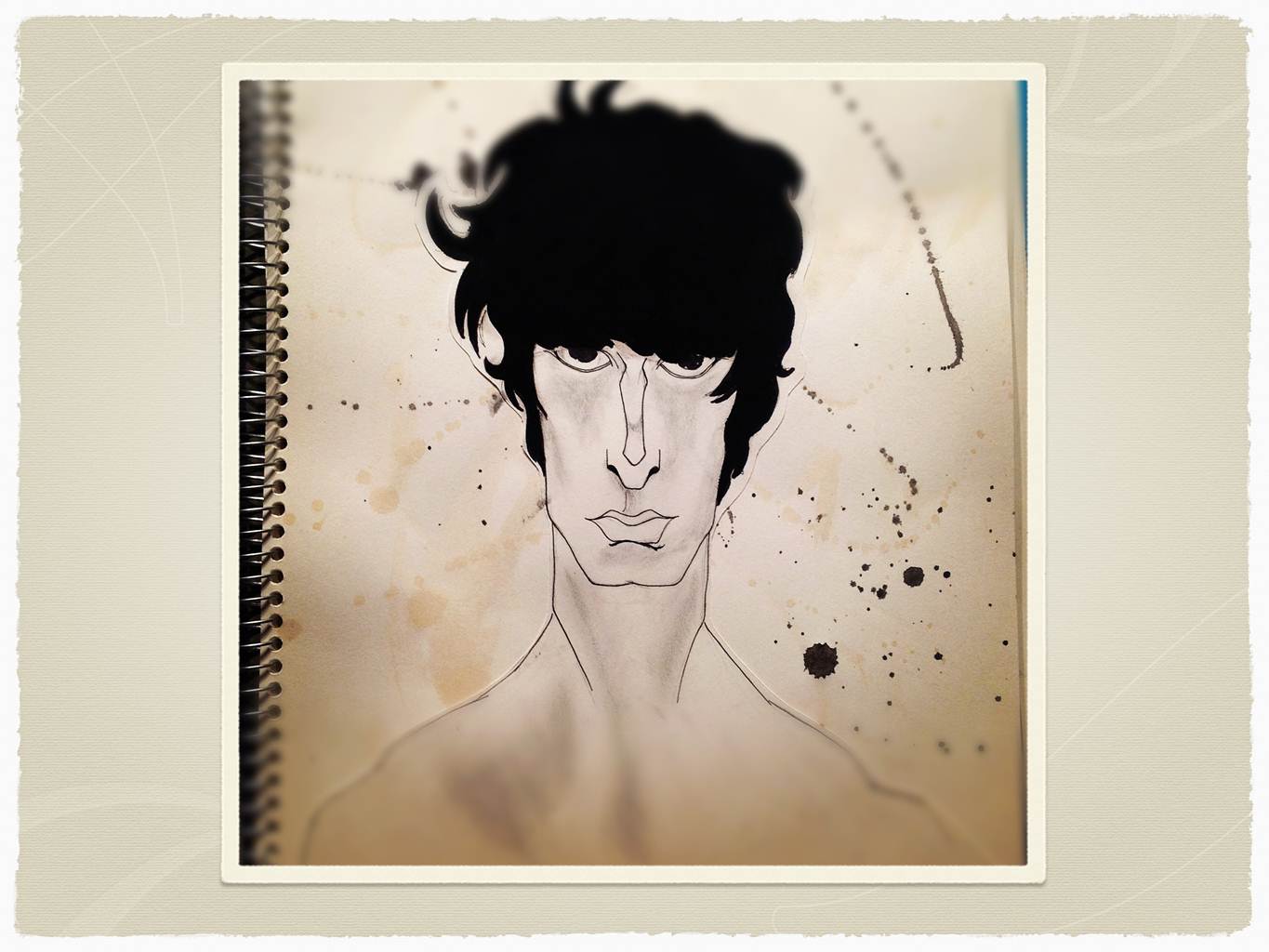
Thanks Cleide Nascimento for illustrating the story.
Thanks Katie Cox for lending us your storytelling expertise.




![Working on a "Vengeance" dive bomber, Vultee [Aircraft Inc.], Nashville, Tennessee (LOC)](https://lh3.googleusercontent.com/blogger_img_proxy/AEn0k_v4te5YGQp7JHrDzvoCtlxQD3hjAkma5aDz6dnxQjEHkMquJ5FEpIUCBlnI0l3xJKtCrBX4aDFtiMc1vHCMcl7RBGZyhMnRs3ShmGWLjTuxSduSI_N9YToCU1fHbaIw3QFE=s0-d)


